Kind regards,

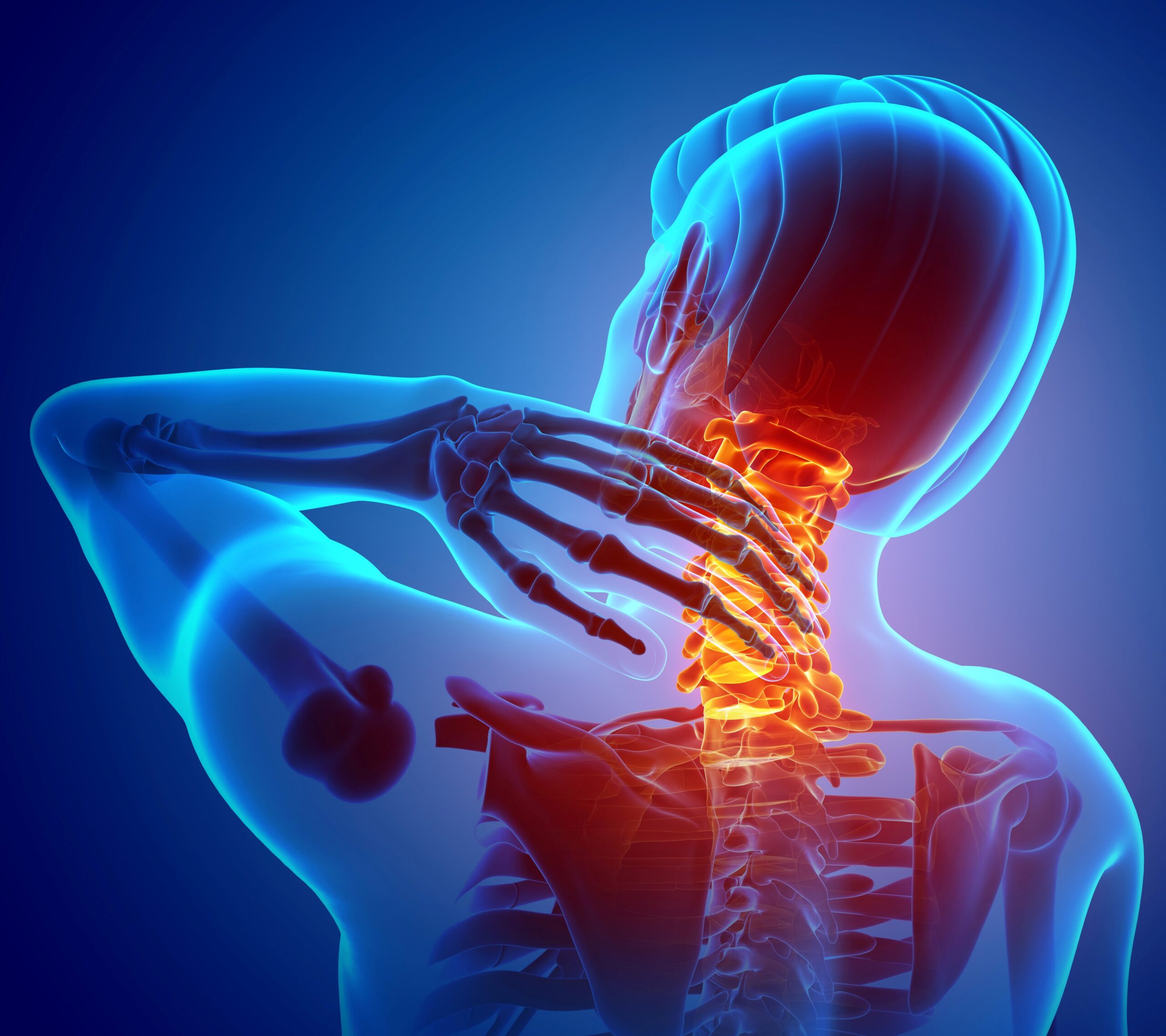
Back pain remains one of the most common health complaints worldwide. If you are prone to stress or anxiety, you may have noticed more frequent or recurring episodes of back pain over the years. While anxiety is not the only cause, it can be a significant contributing factor.
Here are some of the key mechanisms:
When we’re anxious, the body activates its natural “fight-or-flight” response.
This triggers muscle tension — particularly around the neck, shoulders, and back — to protect us from potential danger.
Chronic stress can lead to:
Over time, this constant tension can create a cycle where stress fuels pain, and pain fuels more stress.
Modern lifestyle shifts have amplified the impact of posture on musculoskeletal health.
Long hours on laptops, tablets, and phones — especially working from home — can lead to:
When combined with stress, this magnifies discomfort and can trigger or prolong back pain
Anxiety often leads to inactivity — especially when people feel overwhelmed, fatigued, or unmotivated.
Movement is essential for spinal health. Regular activity:
When activity levels drop, the back becomes more sensitive and less adaptable to everyday strain
People experiencing anxiety may become more aware of normal physical sensations.
This doesn’t mean the pain is imagined — rather, the nervous system becomes more alert and reactive.
This sensitisation may cause:
This can influence how you move, which may unintentionally increase tension or strain.
How to Look After Yourself

We routinely service our cars, boilers, and appliances — often at significant cost — yet many of us overlook the maintenance of our own bodies.
Regular osteopathic check-ups, even when you have no pain, can:
A preventative approach is central to staying active, comfortable, and well-balanced throughout the year
Treatment for back pain varies depending on whether the issue is acute, chronic, or stress-related, but when tension and anxiety are the main triggers, a balanced, proactive approach is highly effective.
Here’s what can help:
You don’t need to wait for pain. Early detection and gentle intervention can stop problems from escalating.
These techniques help release muscle tension, improve blood flow, and reduce stress — benefitting both physical and mental wellbeing.
Supported by current pain science, these approaches help regulate the nervous system and reduce muscle tension.
Targeted exercises can restore flexibility, build resilience, and support better posture.
Sleep hygiene, pacing, mindfulness, and lifestyle adjustments can help manage stress levels and reduce physical symptoms
Mental stress and anxiety are very real contributors to back pain, particularly in today’s demanding and fast-moving world. By taking a proactive approach — combining regular osteopathic care, movement, and stress-management strategies — you can reduce the likelihood of injury, improve your posture, and support your long-term health.
If you have questions or would like to book a check-up, we’re always here to help.
Please Call: 02089776396 or
Email: info@osteopathuk.co.uk
If you have aches and pains, don’t wait, just call the clinic, come in and we will be able to diagnose the problem.
You can email info@osteopathuk.co.uk or call 02089776396
| Click the link for our website: http://www.osteopathuk.co.uk/ |

Please do not hesitate to get in touch with us for any reason, we are here to help and welcome any feedback. Click here for more information.